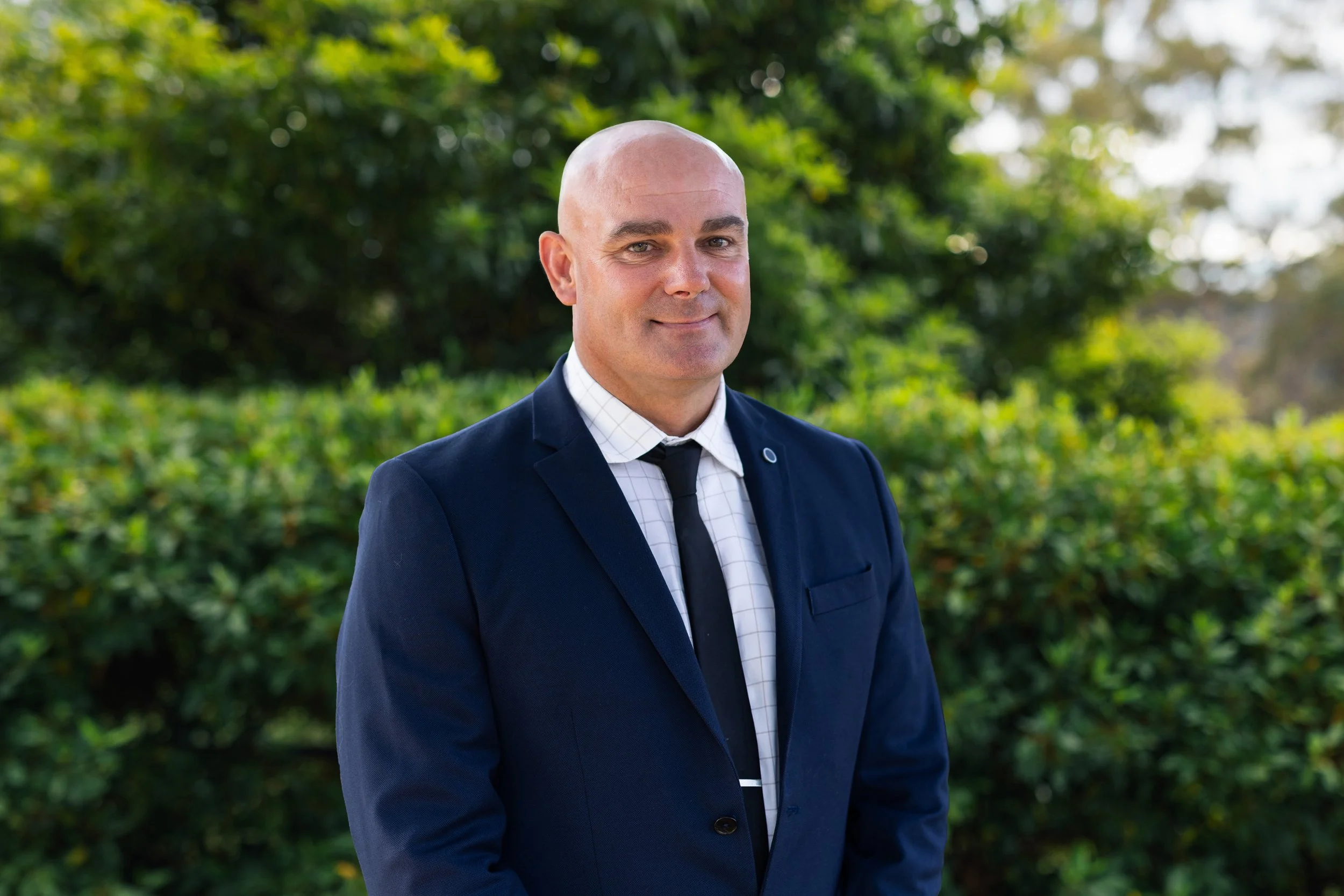
Learning, like life, is a journey. For me, I love the fact that I am still able to constantly learn new things.
Next week, I will have the opportunity to begin a twelve-month professional development course being delivered by Dr Selena Fisk. Dr Fisk is one of Australia’s leading keynote speakers and author who works with schools and the corporate sector, empowering them to become better at developing data informed cultures.
Research tells us that not all students learn at the same pace or in the same ways. Students learn at different speeds based on their prior knowledge, skills and individual needs. I am convinced that the intentional use of data is not at odds with our faith; rather, it is an expression of faithful stewardship. In education, data is not merely numbers on a spreadsheet. It represents students, young people made in the image of God, each with unique strengths, challenges, and potential. When we use data well, we honour their individuality and seek to serve them more effectively.
“Students learn at different speeds based on their prior knowledge, skills and individual needs”
Scripture reminds us in Proverbs 27:23, “Be sure you know the condition of your flocks, give careful attention to your herds.” Originally, this was wise advice for shepherds and farmers. But in our context today, it speaks powerfully to us as educators. We are entrusted with the care of young people. To “know the condition” of our students means more than relying on intuition; it calls us to attentive, informed, and intentional oversight.
Using data to inform pedagogy (the method and practice of teaching) allows us to identify gaps in understanding, monitor growth over time, and evaluate the effectiveness of our teaching strategies. Whether through formative assessment, standardised testing, literacy benchmarks, or wellbeing surveys, data provides insight into where students are flourishing and where they require further support. Without data, we risk teaching to the middle, overlooking those who are struggling quietly or those who are insufficiently challenged.
However, in a Christian school, data must always be interpreted through a lens of grace and hope. Numbers never define a child’s worth; they simply inform our response. Data should prompt reflection rather than judgement. It should lead to collaboration rather than comparison. When teachers engage in professional dialogue around evidence of learning, they model humility and a shared commitment to growth. This aligns with our biblical understanding that wisdom comes through counsel and discernment.
“Numbers never define a child’s worth; they simply inform our response. ”
As educators, we are stewards of both our students and the resources entrusted to us. Using evidence to refine practice demonstrates diligence and integrity. It ensures that our decisions, curriculum choices, intervention programs, or professional development priorities are not driven by trend or preference but by genuine student need.
The vision statement of our organisation is to be a transformational learning community. Ultimately, the goal of using data is not to improve our statistics but to transform lives. When we faithfully examine where our students are and thoughtfully adjust our teaching, we participate in God’s work of nurturing each young person toward maturity, in knowledge, character, and faith. This also aligns with the Mission of CST which is to provide the highest quality Christ-centred education that prepares and equips students for life.
I hope that through my involvement with the Dr Selena Fisk Data Champions course, I am able to assist our great School to refine and sharpen approaches in the use of data.
Drew Roberts - Head of Secondary